

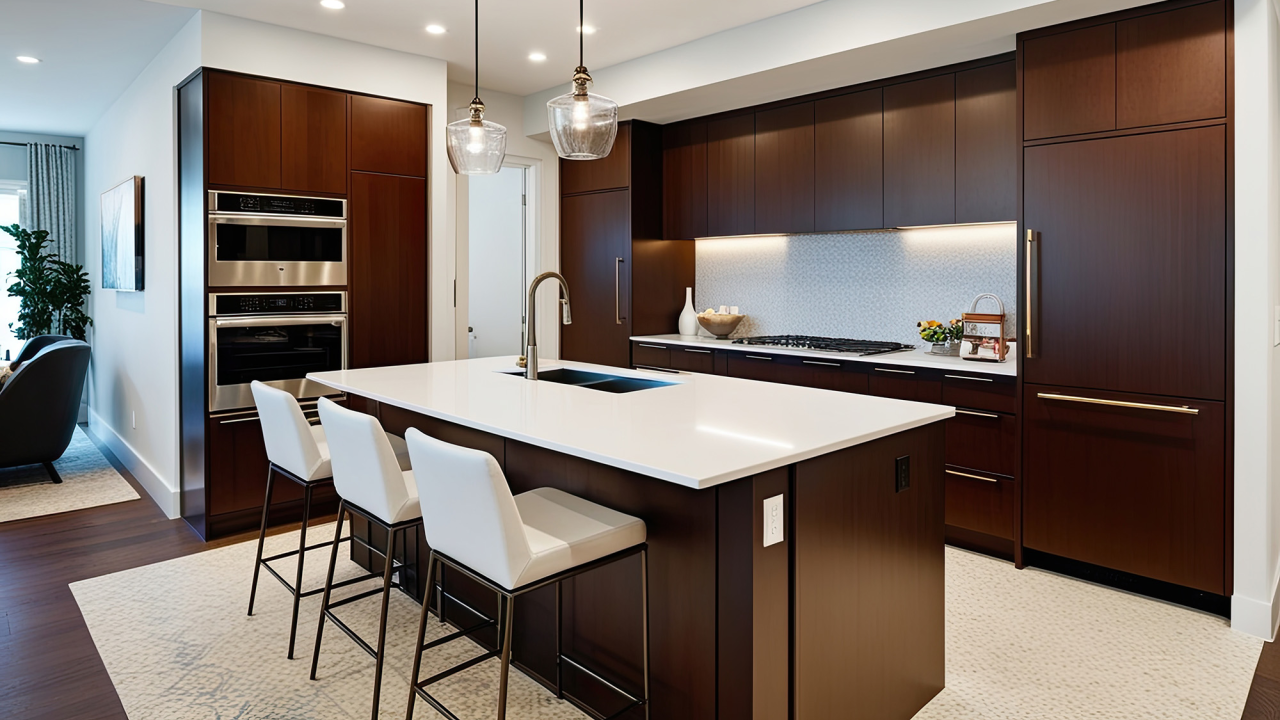
Kitchen and bathroom countertops endure daily contact with heavy cookware, hot pots, sharp knives, and staining liquids like coffee, red wine, and citrus juice. Choosing the right surface requires balancing visual appeal with long-term durability.
While many countertop materials look stunning in a showroom, their real-world performance depends on how they withstand heat, resist scratches, and fend off stains. Below is a detailed durability breakdown of the most popular countertop materials available today.
Quartz: Engineered Strength with Moderate Heat Sensitivity
Quartz countertops are engineered surfaces composed of approximately 90% natural crushed quartz minerals bound together with polymer resins and pigments. This manufacturing process creates a solid, non-porous surface with predictable performance characteristics.
Stain Resistance: Outstanding. Because quartz is completely non-porous, liquids remain on the surface rather than soaking into the material. Coffee, wine, oil, and acidic juices will not penetrate quartz, making it highly stain-resistant without requiring any sealers.
Scratch Resistance: High. Quartz rates high on the Mohs hardness scale. Normal kitchen preparation will not easily scratch quartz, though using a dedicated cutting board is always recommended to preserve both your knives and the resin finish.
Heat Resistance: Moderate. Resin is the main vulnerability of quartz. Thermal shock or direct exposure to hot pans placed straight from the stove onto quartz can melt or discolor the resin binders, leaving a burn ring. Always use trivets or hot pads with quartz surfaces.
Granite: Natural Hardness and High Heat Tolerance
Granite is a natural igneous rock quarried directly from the earth. Composed of quartz, feldspar, and mica, each slab features a unique pattern forged under natural pressure and heat.
Heat Resistance: Exceptional. Formed under intense heat deep within the earth, natural granite handles hot cookware effortlessly. Placing a hot pan directly onto granite will not scorch, melt, or burn the surface.
Scratch Resistance: Exceptional. Granite is one of the hardest natural stone surfaces used in residential applications. Knives, heavy pots, and everyday utensils will not easily scratch or goue a quality granite surface.
Stain Resistance: Moderate to High (Requires Sealing). Granite is naturally porous to varying degrees depending on the specific slab density. Light-colored granites absorb liquids quickly if left unprotected. However, when sealed properly upon installation and periodically resealed, granite effectively resists liquid stains.
Marble: Elegant Aesthetics requiring Protective Care
Marble is a metamorphic natural stone valued for its subtle veining, smooth finish, and cool working surface, making it popular for baking areas and vanity countertops. However, its natural chemical composition demands careful maintenance.
Stain and Acid Resistance: Moderate to Low. Marble consists primarily of calcium carbonate, which reacts chemically with acids. Citrus juice, vinegar, tomato sauce, and wine cause "etching"—a dulling of the surface polish—even if the stone is sealed. Deep liquids can also penetrate porous unsealed marble, leaving permanent stains.
Scratch Resistance: Moderate. Marble is significantly softer than granite and quartz. Metal cookware, keys, and sharp objects can scratch or chip marble surfaces if dropped or dragged.
Heat Resistance: High. Marble tolerates heat well and will not scorch under hot dishes, though extreme temp changes should still be avoided to prevent stress fractures.
Solid Surface and Porcelain: Emerging Durable Alternatives
Beyond traditional stone, home renovators frequently consider engineered alternatives such as solid surface (acrylic-based materials) and gauged porcelain slabs.
Solid surface materials offer seamless appearance and total non-porous stain resistance. They are easy to repair if scratched because minor marks can be buffed out. However, they are susceptible to heat damage and scratch more easily than quartz or granite.
Porcelain countertops are expanding rapidly in home design. Made from dense clay fired at high temperatures, porcelain is non-porous, scratch-resistant, and immune to high heat and UV fading. Its thin profile requires skilled installation, but its surface durability ranks among the highest in the industry.
Selecting the ideal countertop material requires matching surface performance to your daily cooking habits. If low maintenance and stain prevention are your main concerns, non-porous materials like quartz or porcelain provide excellent peace of mind. If high heat tolerance and natural uniqueness matter most, sealed granite remains a premier choice.


