

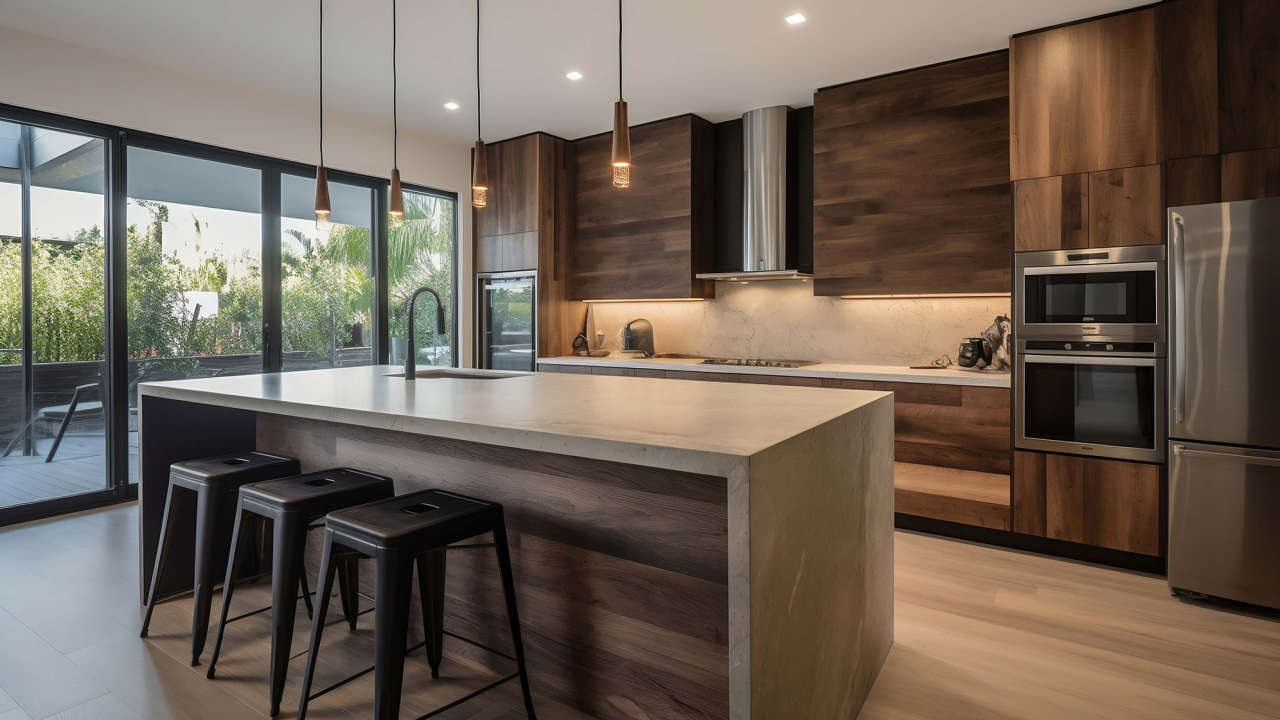
Cabinet doors set the tone for your entire kitchen or bathroom design. Because they cover a large portion of your vertical wall space, the profile you choose dictates whether the room feels traditional, transitional, modern, or somewhere in between. Among the wide variety of door profiles on the market, two styles consistently lead the industry in popularity: Shaker and Flat Panel (often called slab).
While both options offer clean visual lines, they cater to distinct design preferences and practical needs. Understanding the structural differences, aesthetic flexibility, and maintenance requirements of each style will help you choose the best fit for your home renovation.
The Anatomy and Appeal of Shaker Cabinets
Shaker cabinets are characterized by a five-piece door structure featuring a recessed center panel surrounded by a four-piece outer frame. Originating from the design principles of the 18th-century Shaker community, this style emphasizes utility, simple craftsmanship, and honest materials.
The greatest strength of the Shaker door is its versatility. The simple recessed frame adds dimension and subtle shadow lines without feeling overly ornate. Because of this balanced structure, Shaker cabinetry works across a broad range of interior styles:
Transitional: Painted in crisp white, warm grey, or navy, Shaker cabinets bridge the gap between traditional trim and modern fixtures.
Farmhouse: Finished in natural wood tones or distressed paints, Shaker doors complement rustic floating shelves and apron-front sinks.
Traditional: When paired with crown molding, intricate hardware, and natural stone countertops, Shaker profiles take on a classic appearance.
Because Shaker doors have remained popular for decades, they are widely considered a safe investment for long-term home resale value.
The Clean Efficiency of Flat Panel Cabinets
Flat panel cabinet doors, also known as slab doors, consist of a single, solid panel without any frame, beveling, or recessed features. This style became prominent during the mid-century modern movement and remains a cornerstone of contemporary European-style kitchen design.
Flat panel cabinets prioritize minimalist aesthetics. The smooth, uninterrupted surface highlights the color, grain, or finish of the door material rather than structural trim. Key advantages include:
Sleek Aesthetics: Flat panel doors create unbroken horizontal lines that visually open up tight spaces and smaller rooms.
Modern Flexibility: They pair exceptionally well with handleless push-latch systems, integrated channel grooves, or simple edge pulls.
Showcasing Finishes: Flat panel doors serve as a canvas for high-gloss lacquers, matte dark paints, or dramatic natural wood grains where detailed framing might distract from the material itself.
If your ideal kitchen features clean lines, minimal ornamentation, and modern architecture, flat panel doors are a strong contender.
Maintenance and Cleaning Comparison
Daily cleanup and maintenance are essential factors to consider when choosing cabinetry. The physical profile of your door style directly affects how dust, grease, and moisture accumulate over time.
Shaker doors have a flat recessed center, which creates a horizontal ledge along the bottom rail of the door frame. Dust, cooking flour, and liquid drips tend to settle on this ledge. While clearing it requires a quick wipe with a damp microfiber cloth, it does require routine detail cleaning to prevent build-up in the corners.
Flat panel doors, by contrast, offer a completely smooth surface with no recessed corners or horizontal ledges. Dust and splatters have nowhere to collect, making them exceptionally fast to wipe down. This low-maintenance profile makes flat panel cabinetry attractive to busy households and high-use kitchens.
Hardware and Styling Options
The hardware you pair with your cabinet doors heavily influences the final look of your space.
Shaker doors accept almost any hardware style. Classic round knobs, traditional cup pulls, modern tubular bar pulls, and vintage latch handles all sit comfortably on a Shaker frame. The hardware can be used to pull the room toward either a modern or traditional look.
Flat panel doors require a thoughtful approach to hardware. Bold, long bar pulls run parallel to the door edges to accentuate modern lines. Finger pulls and edge pulls installed along the top or side rim provide functionality while keeping the face of the door clear. Alternatively, eliminating hardware altogether in favor of touch-release latches emphasizes a smooth, continuous surface.
Making Your Decision
Choosing between Shaker and Flat Panel cabinets comes down to your personal aesthetic, the architectural style of your home, and how much time you want to spend maintaining horizontal edges. If you want a flexible, time-tested profile that adapts as your taste evolves, Shaker is an ideal choice. If you prefer minimalist design, crisp modern lines, and quick surface cleaning, Flat Panel is hard to beat.


